

Assembly of Bacterial Cell Surface

Topics

MAM: Mycomembrane assembly

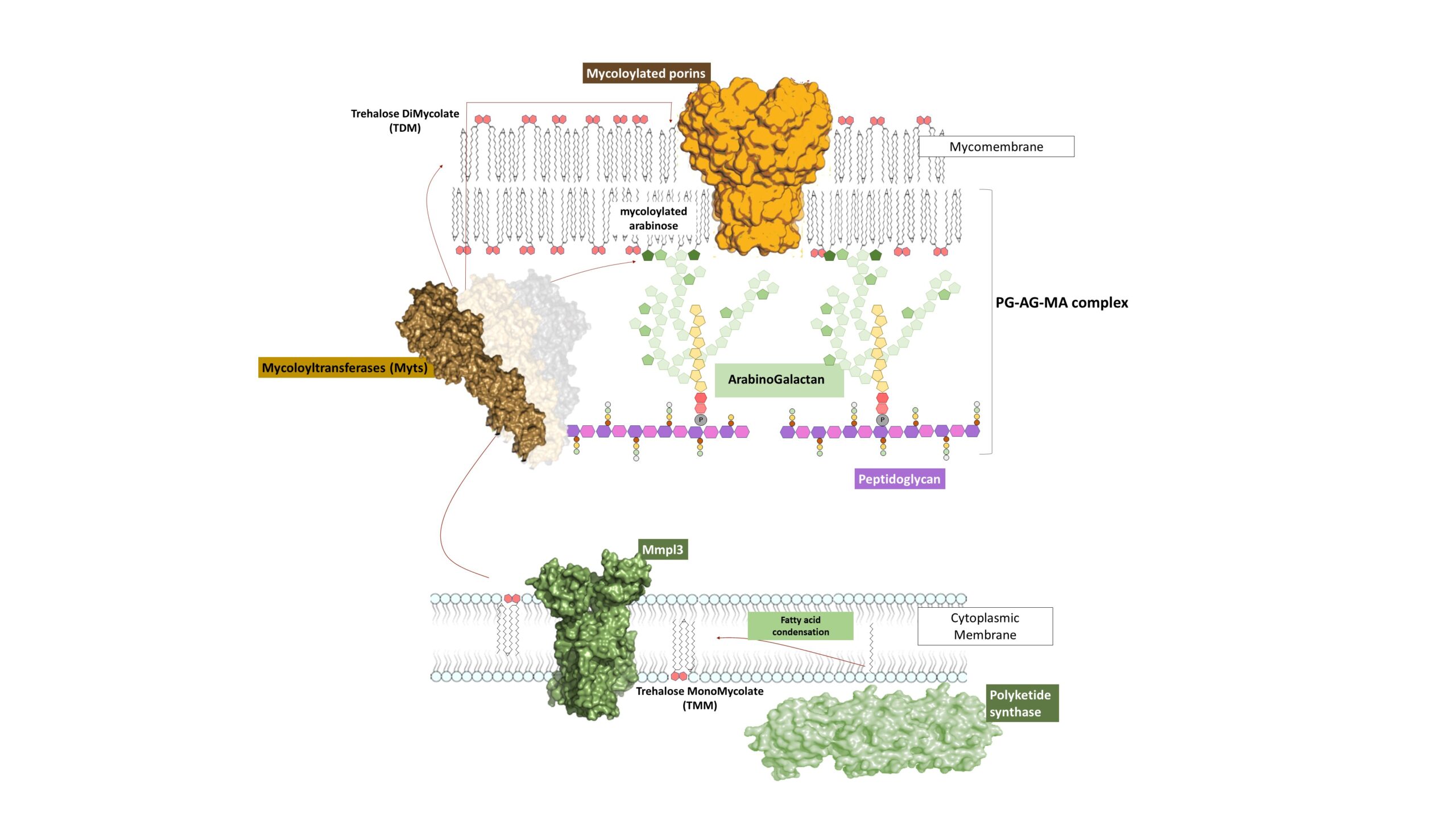
Mycobacteriales have followed a unique evolutionary trajectory marked by the stepwise acquisition of core enzymatic functions responsible for a major remodeling of the cell envelope. This process led to the emergence of an atypical outer membrane referred as the mycomembrane, primarily composed of mycolic acid. While this structure is essential for pathogens such as Mycobacterium tuberculosis and related species, it is dispensable in Corynebacterium glutamicum, providing a unique opportunity to identify molecular players and mechanisms underlying the spatiotemporal biogenesis of this distinctive membrane and its coordinated assembly with the cytoplasmic membrane as well as connection with cell wall glycopolymers synthesis.

The MAM project focuses on the metabolism of mycolic acids and more particularly on a family of enzymes referred to as the mycoloyltransferases (Myts). Myts collectively drive the biogenesis of mycomembrane by mediating the transfer of mycolic acids from trehalose monomycolate donors to various acceptors giving rise to major glycolipids of the mycomembrane (trehalose dimycolate and mycoloylated arabinogalactan) but also to proteins modified post translationally by one or several mycolic acid chains. All Mycobacteriales species encode multiple Myt paralogs, ranging from 3 to 10 and their specific role and functional organization in vivo remain poorly understood. While some of these enzymes clearly share overlapping functions, increasing evidence indicates that they also perform distinct and possibly cooperative roles.

The goal of MAM is to disclose the individual contribution of Myts in the biogenesis of the mycomembrane, depict their functional interplay with the broader cell envelope assembly network, and understand how their activity is integrated with cellular processes such as growth and division or protein traffic across the cell envelope. This requires an integrated approach, including in vivo analyses (spatial dynamics, protein-protein interaction mapping, lipidomics) and a comprehensive in vitro structure–activity studies of Myt enzymes.

BacWall: Deciphering Pren-P recycling in bacterial cell envelope biogenesis

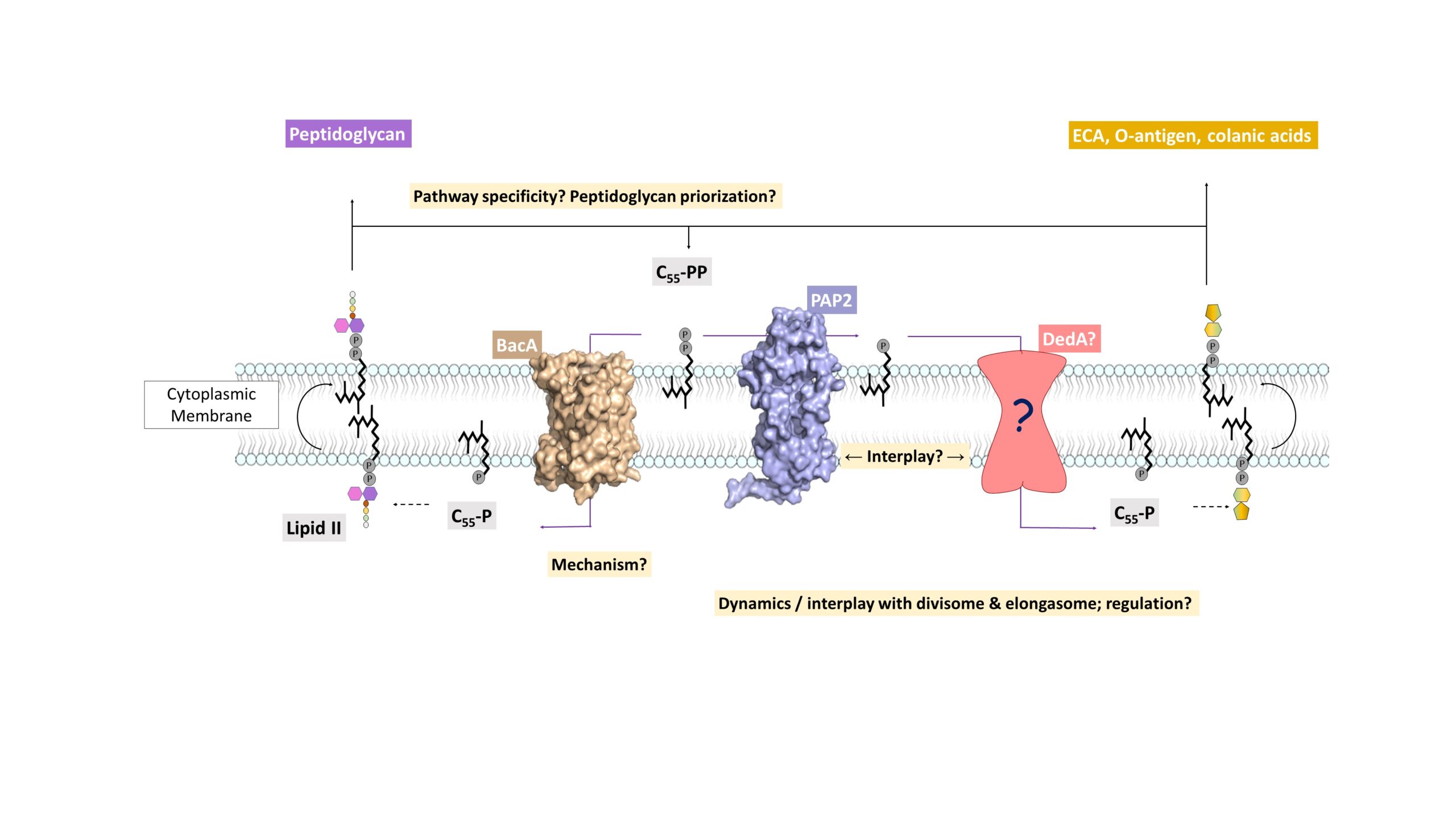
Polyprenyl phosphate (Pren-P) recycling is an essential yet still poorly understood process in bacterial cell envelope biogenesis. This pathway ensures the continuous regeneration of lipid carriers required for the synthesis of cell wall glycopolymers. It relies on the coordinated activities of Pren-PP phosphatases and Pren-P flippases, membrane proteins. Because these proteins often belong to partially redundant families and frequently occur as multiple paralogs, identifying the full set of actors and defining their specific functions remains challenging.

To date, two classes of Pren-PP phosphatases have been identified: BacA and PAP2. These enzymes often coexist within the same organism and are commonly represented by several paralogs. In parallel, two classes of Pren-P flippases have recently emerged: DedA proteins and DUF368-containing proteins. DedA proteins are broadly conserved across bacteria and frequently present in multiple copies, whereas DUF368 proteins display a more sporadic distribution. Interestingly, recent structural studies suggest that BacA itself may be bifunctional, combining both Pren-PP phosphatase and Pren-P flippase activities.

The BacWall project aims to decipher this underexplored pathway by investigating both the organization and the dynamics of Pren-P recycling.

Orchestration of Pren-P recycling.

We propose that Pren-P recycling operates through two distinct functional modes:

  • A BacA-dependent pathway, relying on the potential bifunctional activity of BacA.
  • A composite pathway, requiring the coordinated action of a Pren-PP phosphatase together with a dedicated Pren-P flippase.

Our objectives are to define the complete and minimal repertoires of recycling proteins, identify synthetic lethal interactions, and determine the extent of functional interdependence among pathway components. Although redundancy is a recurrent feature of these systems, its biological significance remains unclear and may contribute to maintaining robust envelope biogenesis under diverse environmental conditions. To address these questions, we analyze a wide range of recycling mutants under multiple growth conditions, assessing their effects on growth, cellular morphology, and cell wall biogenesis. Once candidate recycling proteins are identified, we combine structural, kinetic, and substrate-binding analyses to elucidate their mechanisms of action and substrate specificities.

Spatiotemporal dynamics of recycling.

Cell wall biogenesis depends on large multiprotein complexes that coordinate envelope synthesis with cell growth (the elongasome) and cell division (the divisome). We hypothesize that Pren-P recycling proteins are functionally connected to these machineries. To explore these relationships, we investigate the localization and dynamics of GFP-tagged recycling proteins in living cells, use proximity-labeling approaches to identify interaction partners, and characterize the regulatory networks linking Pren-P recycling to envelope assembly.

Through this integrative approach, the BacWall project seeks to uncover how Pren-P recycling is organized, regulated, and coordinated with bacterial cell envelope biogenesis. While Escherichia coli serves as the primary model organism, our studies also extend to other bacterial systems, including Enterococcus faecalis and members of the Mycobacteriales (see the MycoBac project), enabling comparative analyses across diverse cell envelope architectures.

MycBac: Prenyl carrier recycling in Mycobacteriales  

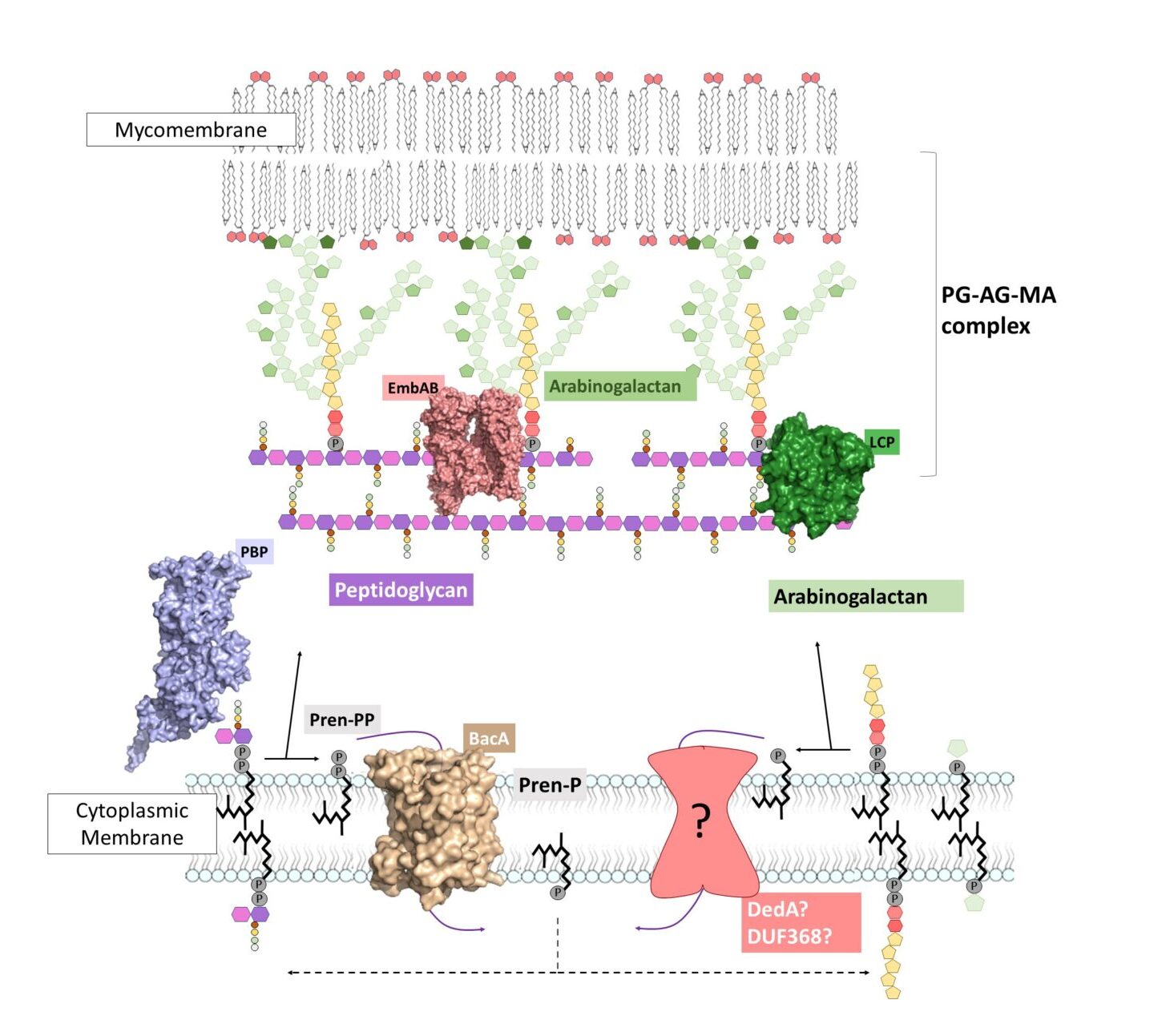
The Mycobacterial cell envelope is composed of several interlinked layers conferring exceptional resilience to environmental stresses and antibiotics. This envelope includes the inner membrane, a peptidoglycan (PG) meshwork, a branched arabinogalactan (AG) layer and the outer membrane composed of mycolic acids (MA). Remarkably, the PG, AG, and MA are covalently bonded to form a unique macromolecular complex that is the hallmark of Mycobacteriales and the keystone of the whole envelope.

Despite extensive knowledge of PG and AG biosynthetic pathways in Mycobacteriales, and the relevance of Pren-P recycling in these processes, the Pren-P recycling has never been investigated in these bacteria so far. The aim of MycBac is to identify and study the Pren-P recycling proteins in Mycobacteriales. Based on homology search, several PAP2, BacA, DedA and DUF368 protein-encoding genes exist in Mycobacteriales. We are now assessing the role of these multiple proteins in Pren-P recycling, especially in C. glutamicum. So far, our results show that BacA is essential, which sharply contrasts with what was yet observed in non-Mycobacteriales models, where an important redundancy of activity and the non-essentiality of BacA was observed. It then positions BacA as a critical determinant for Pren-P recycling in Mycobacteriales and a promising target for the development of new antibacterial agents directed against Mycobacterial pathogens.

 

The MycoBac project is funded by the OI MICROBES/GS LSH.
VIRAMP: Bacitracin resistance in Streptococcus pneumoniae

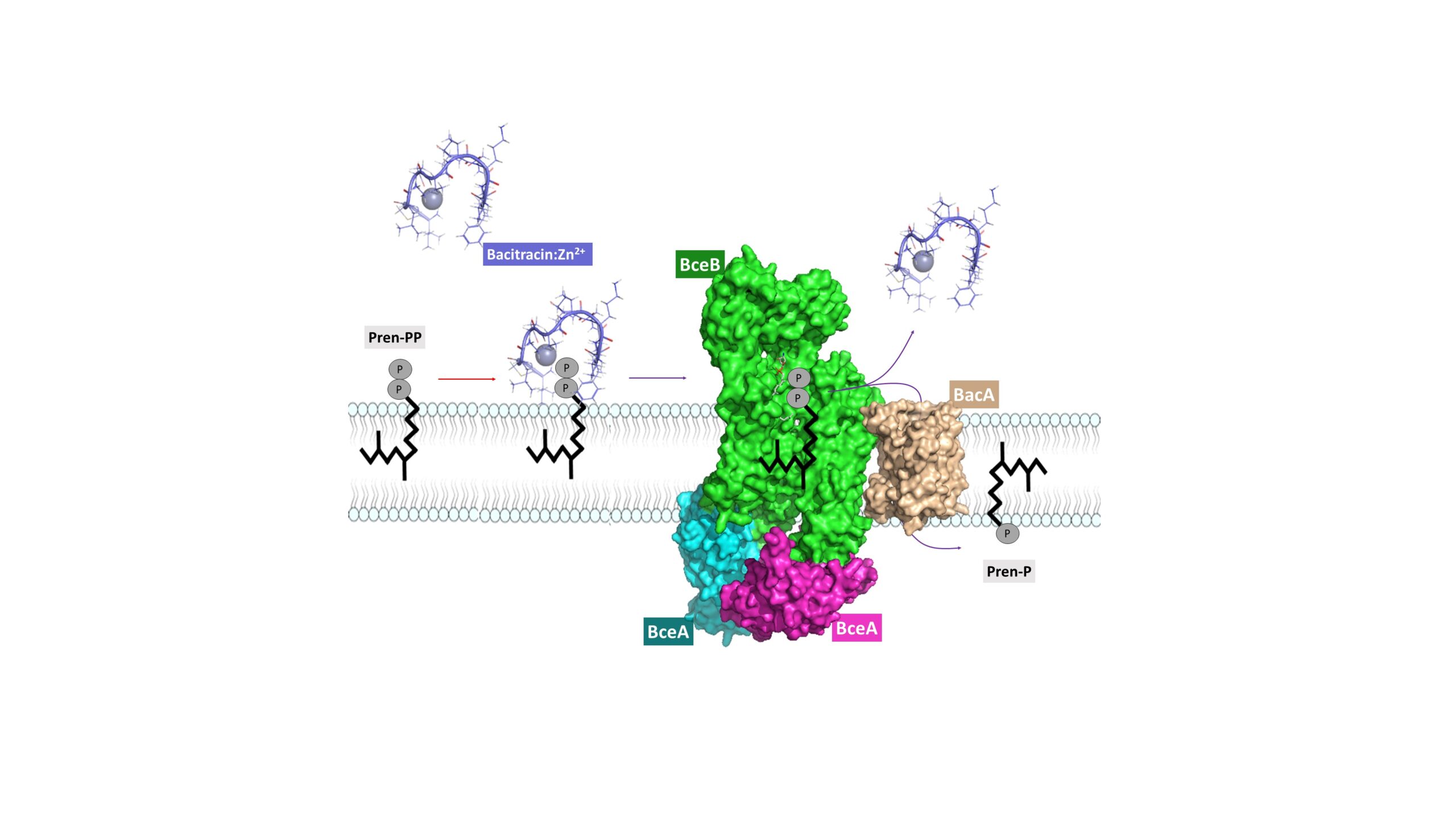
Many naturally occurring antimicrobial peptides (AMPs) target bacterial cell wall biogenesis by binding with high affinity to polyprenyl phosphate (Pren-P), its derivatives such as Pren-PP, or Pren-P-linked peptidoglycan precursors at the outer face of the membrane. Examples include amphomycin, which targets Pren-P, bacitracin, which binds Pren-PP, and nisin, which recognizes lipid-linked peptidoglycan intermediates. By sequestering these essential lipid carriers, AMPs block Pren-P recycling and ultimately trigger bacterial cell lysis.

Several clinically important Gram-positive pathogens, including Streptococcus pneumoniae, Staphylococcus aureus, and Enterococcus faecalis/faecium, resist these compounds through the coordinated action of a BceAB-type ABC transporter and a Pren-P recycling protein, most commonly BacA. However, the molecular mechanism underlying BceAB-mediated resistance remains poorly understood, and accumulating evidence suggests that these systems do not function as conventional transporters.

Current models propose that BceAB acts through a target protection mechanism, whereby the transporter transiently releases Pren-P or Pren-PP derivatives from the inhibitory grip of AMPs, thereby restoring access to the lipid carrier required for cell wall synthesis. In parallel, BceAB may also function as a sensory module, detecting AMP binding to Pren-P intermediates and transmitting this signal to a cognate two-component system (TCS), which subsequently induces expression of the resistance machinery.

Despite these hypotheses, direct biochemical and structural evidence remains limited. Moreover, we further propose that BacA plays an active role in AMP resistance through a physical and functional interaction with BceAB. In this model, Pren-PP released by BceAB would be rapidly transferred to BacA for dephosphorylation and recycling, thereby minimizing AMP rebinding and ensuring efficient restoration of the lipid carrier pool.

The VIRAMP project is a collaborative ANR-funded initiative conducted in partnership with BBMC and the team of Cécile Orelle. The project aims to elucidate the molecular mechanism of the BceAB resistance system and define the contribution of BacA to antimicrobial peptide resistance in S. pneumoniae.

PHORTUNA (PEPR LUMA): PHOtothermal targeting to combat bacterial resistance

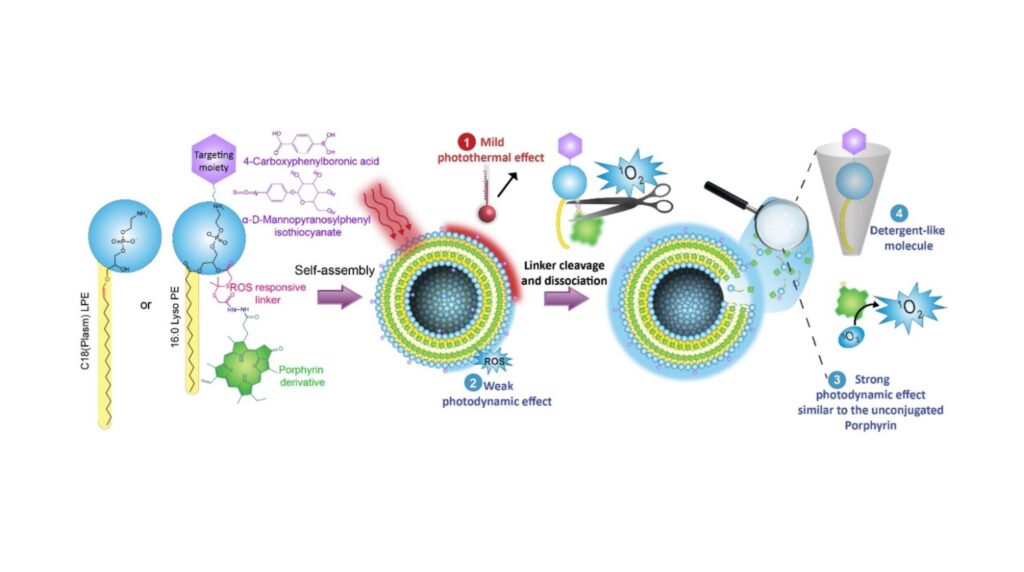
Antibiotic resistance represents a major threat for public health. Besides, some pathogens evade antibiotic action by hiding inside infected cells or growing as biofilms. Consequently, alternative antimicrobial modalities such as phototherapeutics that do not require the use of antibiotics and lower the economic and health burdens represent an urgent unmet clinical need. Photothermal therapy (PTT) and photodynamic therapy (PDT) that rely on the generation of heat and reactive oxygen species (ROS) respectively upon the illumination of photoactive materials have emerged as promising antimicrobial approaches for localized bacterial infections. Hence, combining PTT and PDT within a single nanoplatform enables synergistic effects and improved therapeutic outcomes. PHORTUNA aims at developing advanced multifunctional supramolecular assemblies for an efficient and safer bimodal phototherapy (PTT/PDT) to combat efficiently localized bacterial, including intracellular bacteria and biofilm-associated infections. The project is based on the design of Phospholipid-Porphyrin (PL-Por) conjugates, which can self-assemble into liposome-like structures.

 

Phortuna is a collaborative project funded by the LUMA PEPR (https://www.pepr-luma.fr/projet/phortuna/), which aims to exploit the properties of light to control biological systems.
DISARM: Pneumococcus-Targeting Anti-Virulence Molecules

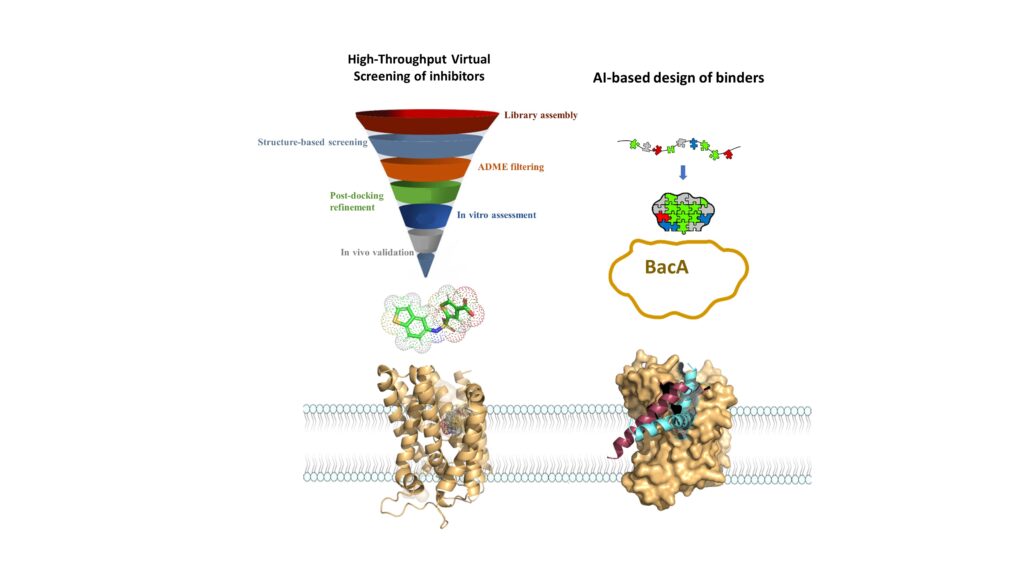
Streptococcus pneumoniae (the pneumococcus) is a leading cause of community-acquired infections that can progress to severe invasive disease and sepsis, and it is therefore considered as a priority pathogen. The polysaccharide capsule (CPS) of S. pneumoniae represents a key virulence factor, which mediates immune evasion and plays a central role in disease progression. Almost 100 distinct CPS chemotypes define pneumococcal serotypes, whose biochemical diversity directly influences virulence and CPS-deficient strains are essentially avirulent. CPS-based vaccines provide serotype-dependent protection and show variable efficacy across populations with reduced effectiveness in elderly, immunocompromised patients, and individuals with chronic diseases and they show little to no clinical benefit in young children. In parallel, the increasing emergence of antibiotic-resistant isolates further complicates disease management and contributes to the high morbidity and mortality associated with pneumococcal infection. Together, these therapeutic limits highlight a critical need for novel medical strategies. Anti-virulence therapies, by disarming pathogenic mechanisms such as CPS-mediated virulence, have the potential to improve clinical outcomes while limiting the emergence of resistance and minimizing the impact on the microbiota. The objective of the DISARM project is to develop novel anti-virulence therapeutic molecules targeting the outward-accessible BacA protein of S. pneumoniae, which has previously been shown to be required for pneumococcal virulence.

Our aim is to identify and develop high-potency inhibitors of the pneumococcal BacA protein as novel anti-virulence agents via a dual approach (i) an integrative screening strategy combining virtual and experimental approaches to identify drug-like inhibitors and (ii) an AI-based design to generate highly specific, high-affinity peptide binders targeting BacA. Combining these strategies maximizes the chances of success by developing distinct approaches and exploring various chemical spaces, thereby providing mechanistically diverse inhibitors that can accelerate therapeutic development.

Phage: Phage Hunters Advancing Genomic and Evolutionary Science

Bacteriophages, the most abundant biological entities on Earth, are viruses that infect bacteria. The majority belong to the morphologically defined family Caudoviridae. These viruses play crucial roles in biogeochemical cycles and are major drivers of bacterial genome evolution.


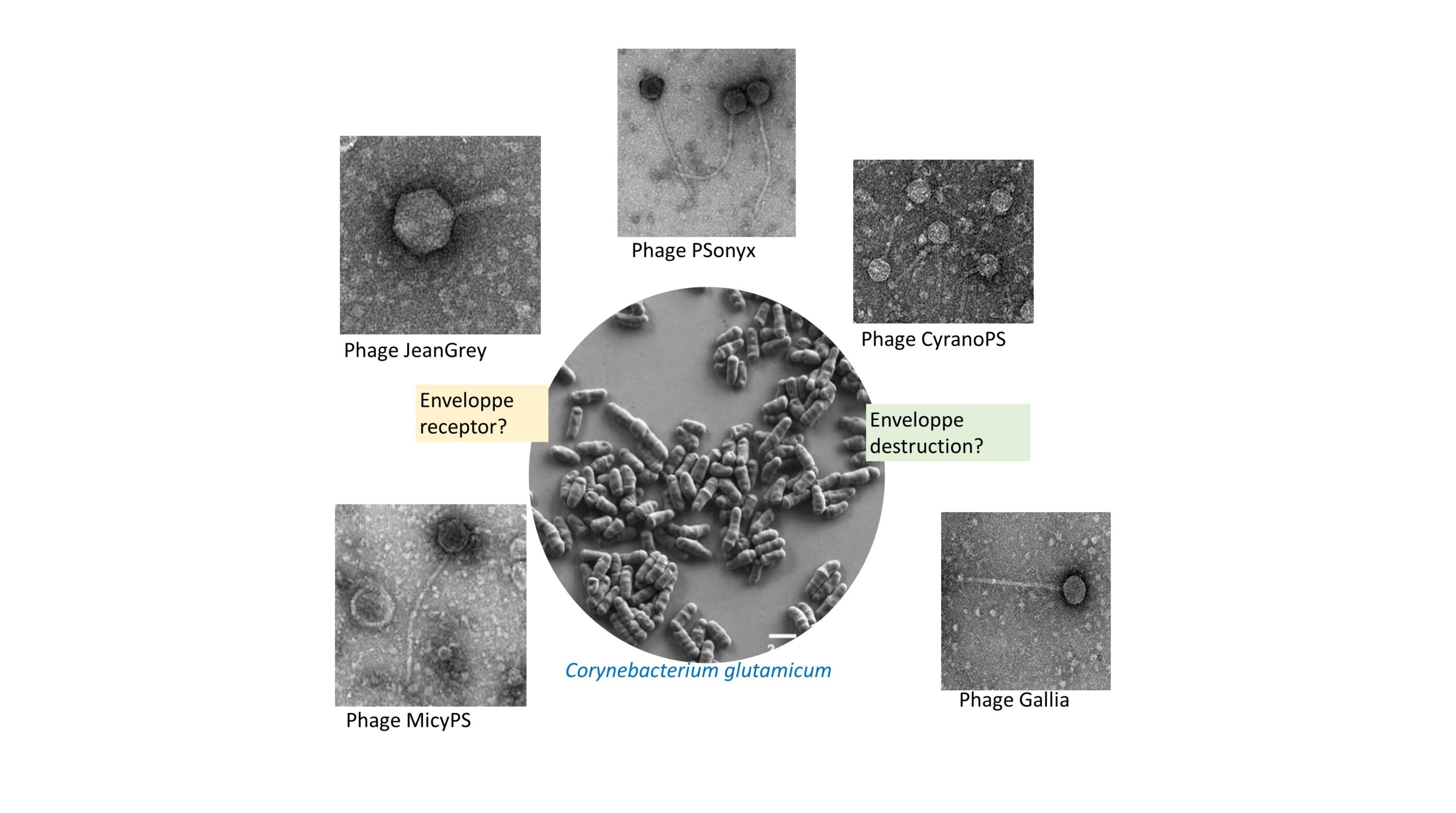
Phages initiate infection by binding to specific receptors on the bacterial cell surface, a step that determines host specificity. Once the phage genome is injected in the host, a molecular arms race begins between bacterial defense mechanisms and phage counter-defense strategies. If the phage successfully replicates, it ultimately exits the host cell, most commonly by lysing the bacterial envelope.

Because of these properties, bacteriophages are powerful tools in molecular biology (e.g., phage display, generalized transduction) and are increasingly explored as alternatives to antibiotics in the fight against pathogenic bacteria through phage therapy.

By integrating education and research within the international SEA-PHAGES program, the Bacsurf team (PI Christophe Regeard), in collaboration with the Bacterial Virology team (PI Ombeline Rossier), contributes to the discovery, isolation, and genomic characterization of novel bacteriophages from diverse environments that are capable of infecting Corynebacterium glutamicum. They constitute great tools to study bacterial envelope determinants for infection and a reservoir of functions for envelope destruction.
Scroll to Top