


Interactions of Bacteria with Plants and Insects
We study interactions of plants and insects with symbiotic or pathogenic bacteria
Macro-organisms do not live alone. They live in world that abounds with microbes. While the large majority of these microbes have no -or a weak- impact on their host, some microbes engage in close interactions with them with either a positive (symbionts) or negative (pathogens) effect on the host fitness. Reciprocally, these molecular interactions contribute to the co-construction of specific ecological niches within the host that are exploited by symbiotic and pathogenic bacteria.
The team analyses the eukaryotic and microbial functions (genes, proteins, metabolites, and signals) that are involved in interactions between plants or insects and bacteria. We also investigate agronomic and environmental issues, such as the development of innovative and environmentally friendly biocontrol approaches to protect plants from pathogens or biofertilizers to enhance plant growth.
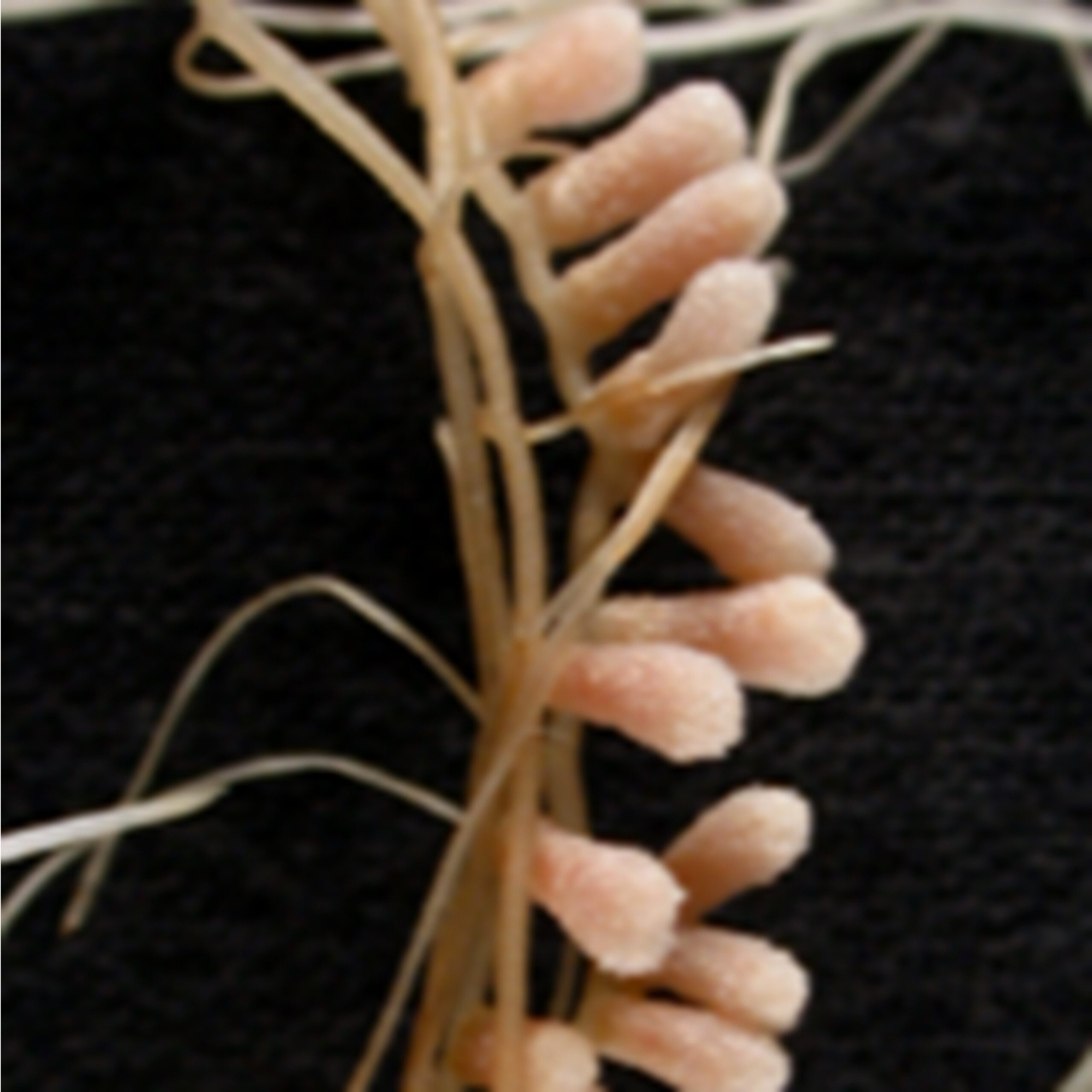
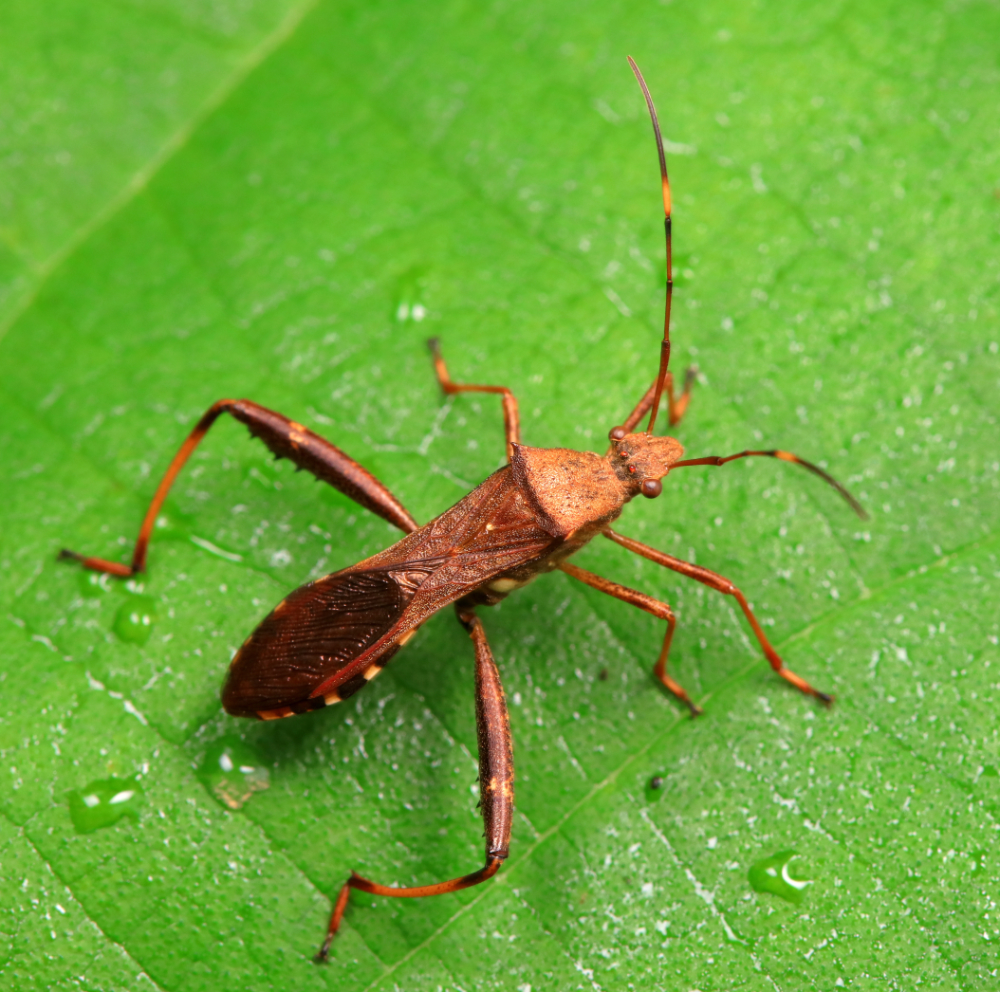
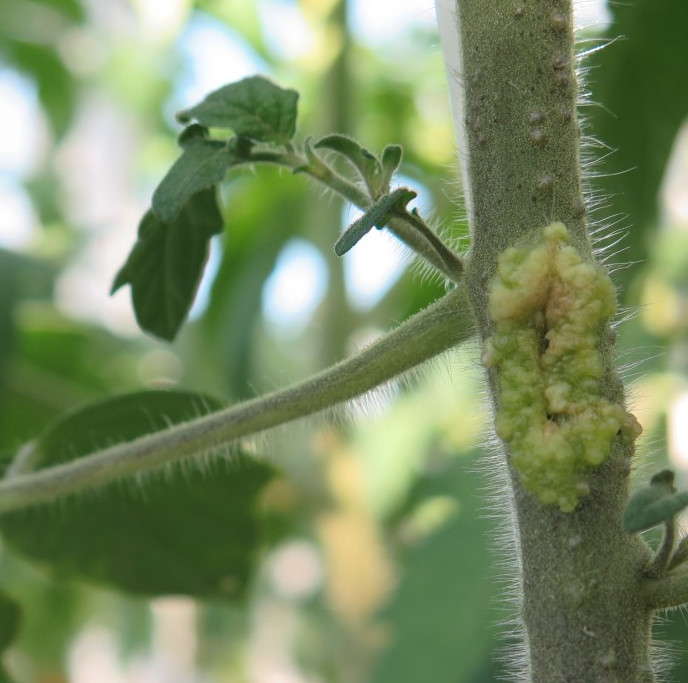
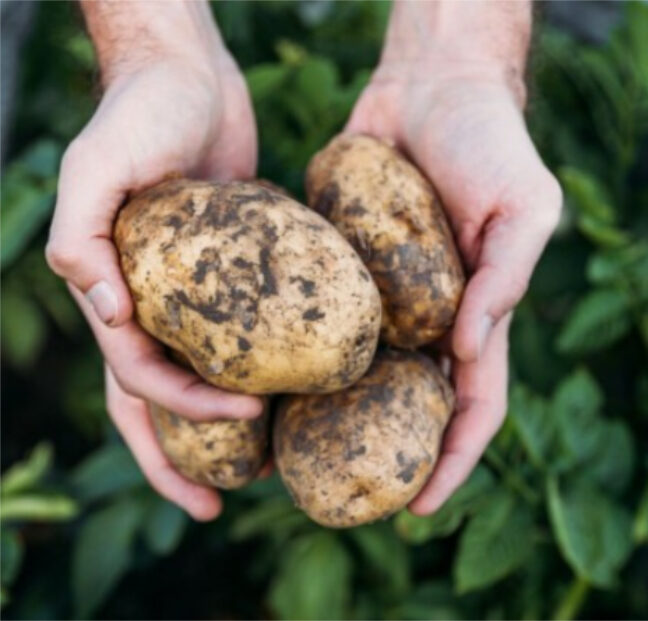
Our model organisms are the endosymbiotic rhizobia and legumes (Sinorhizobium meliloti and Medicago plants), the gut symbiont Caballeronia insecticola and its insect host, the stinkbug Riptortus pedestris, the plant pathogen Agrobacterium tumefaciens that induces tumors on various host plants, including tomatoes and Arabidopsis, and the pectinolytic pathogens Pectobacterium spp. and Dickeya spp. and their potato host plant.
Our experimental approaches are functional genomics (transcriptomics, comparative genome analysis, transposon sequencing, chromosome conformation capture by Hi-C), genetics and reverse genetics, protein biochemistry and cell biology in the hosts, plants or insects, and in the bacteria. This multi-disciplinary approach allows to study cell cycle and differentiation processes, inter or intra-bacterial interactions, host-control on the bacteria, and bacterial induced host processes.
Topics
Team

Group Leader Senior Researcher

Group Leader Senior Researcher

Senior Researcher
Researcher
Engineer
Engineer

Engineer

Engineer

Engineer

Engineer

PhD student

PhD student
Engineer Student
Master Student

Master Student

PhD student
Master Student

PhD student
Latest publications
Dendene, Sara, Shuanghong Xue, Roza Mohammedi, et al. 2025. “Sinorhizobium Meliloti FcrX Coordinates Cell Cycle and Division during Free-Living Growth and Symbiosis by a ClpXP-Dependent Mechanism.” Proceedings of the National Academy of Sciences of the United States of America 122 (11): e2412367122. https://doi.org/10.1073/pnas.2412367122.
Munier-Lépinay, Euphrasie, Coline Amaro-Lauer, Denis Faure, et al. 2025. “Identification of Biosynthetic Precursors and Optimization of 7-Hydroxytropolone Bioproduction by Pseudomonas Sp. PA14H7.” ACS Synthetic Biology, ahead of print, June 12. https://doi.org/10.1021/acssynbio.4c00817.
Haq, Fazal, Alicia Camuel, Mélanie Carcagno, et al. 2025. “The Rhizobial Type III Effectors ErnA and Sup3 Hijack the SUMOylation Pathway to Trigger Nodule Formation in Aeschynomene Species.” The New Phytologist, ahead of print, June 22. https://doi.org/10.1111/nph.70334.
Lextrait, Gaelle, Srotoswini Joardar, Raynald Cossard, Yoshitomo Kikuchi, Tsubasa Ohbayashi, and Peter Mergaert. 2025. “Strict Gut Symbiont Specificity in Coreoidea Insects Governed by Interspecies Competition within Caballeronia Strains.” The ISME Journal, November 13, wraf240. https://doi.org/10.1093/ismejo/wraf240.
For all the publications of the Team click on the button below.
Funding