


At the Heart of the Cell:
Explore, Understand, Innovate
Welcome to the Institute for Integrative Biology of the Cell
The Institute for Integrative Biology of the Cell (I2BC) is the leading Paris-Saclay institute for molecular and cellular biology. I2BC explores how cells function as integrated systems across multiple scales, leveraging a broad spectrum of organisms and model systems.
Organized into five scientific departments, the research teams benefit from cutting-edge core facilities and a collaborative environment. Together, they drive innovative research structured around four transverse axes:


Highlights

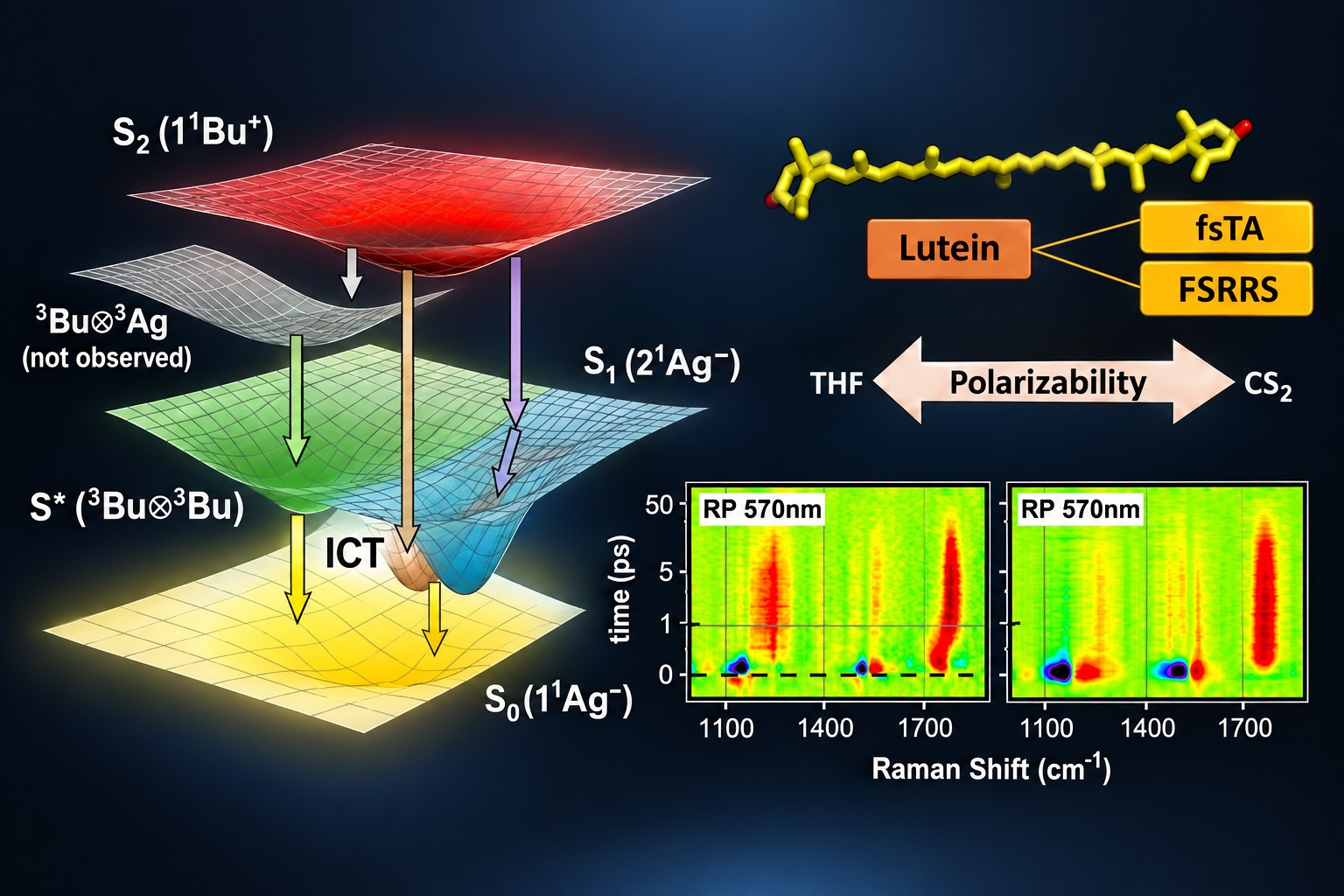
Lutein helps plants harvest sunlight and protect themselves from excess light. Ultrafast laser spectroscopy at I2BC shows that the polarisability of its environment reshapes its electronic excited states and their lifetimes.
Physical Chemistry Chemical Physics
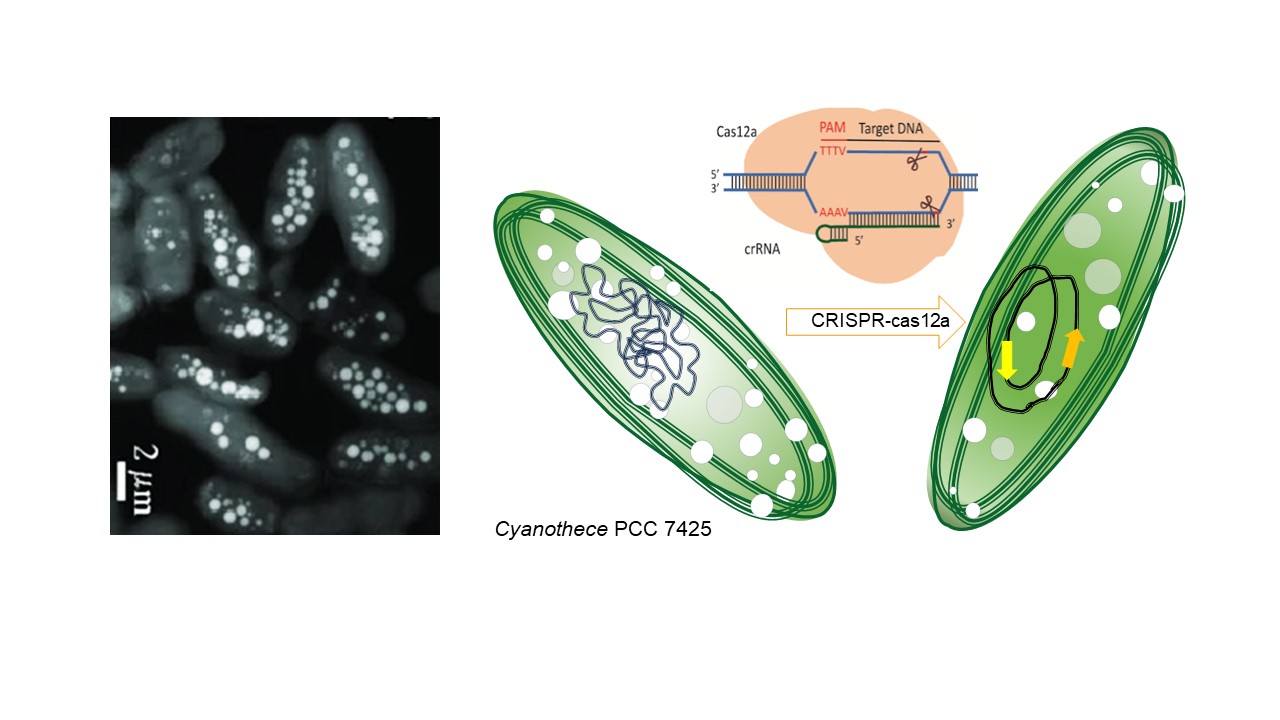
Sept 21st, 2026 by B2CYA team fromMicrobiology Dept
Unlocking Genetic Engineering in the CaCO3 / SrCO3 granule forming Cyanothece PCC 7425.
Appl Microbiol Biotechnol/i>
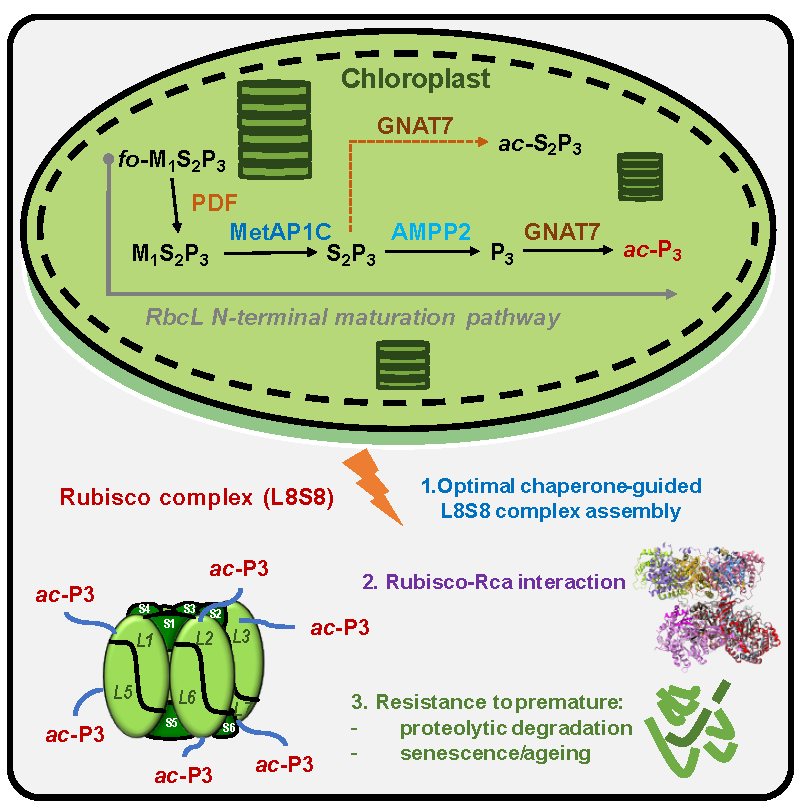
Sept 21st, 2026 by PROMTI team from B3S Dept
A unique plant machinery comprising three dedicated components ensures N-terminal processing of Rubisco’s catalytic subunit, enabling its proper accumulation and activity as Earth’s most abundant protein.
Sciences Advances
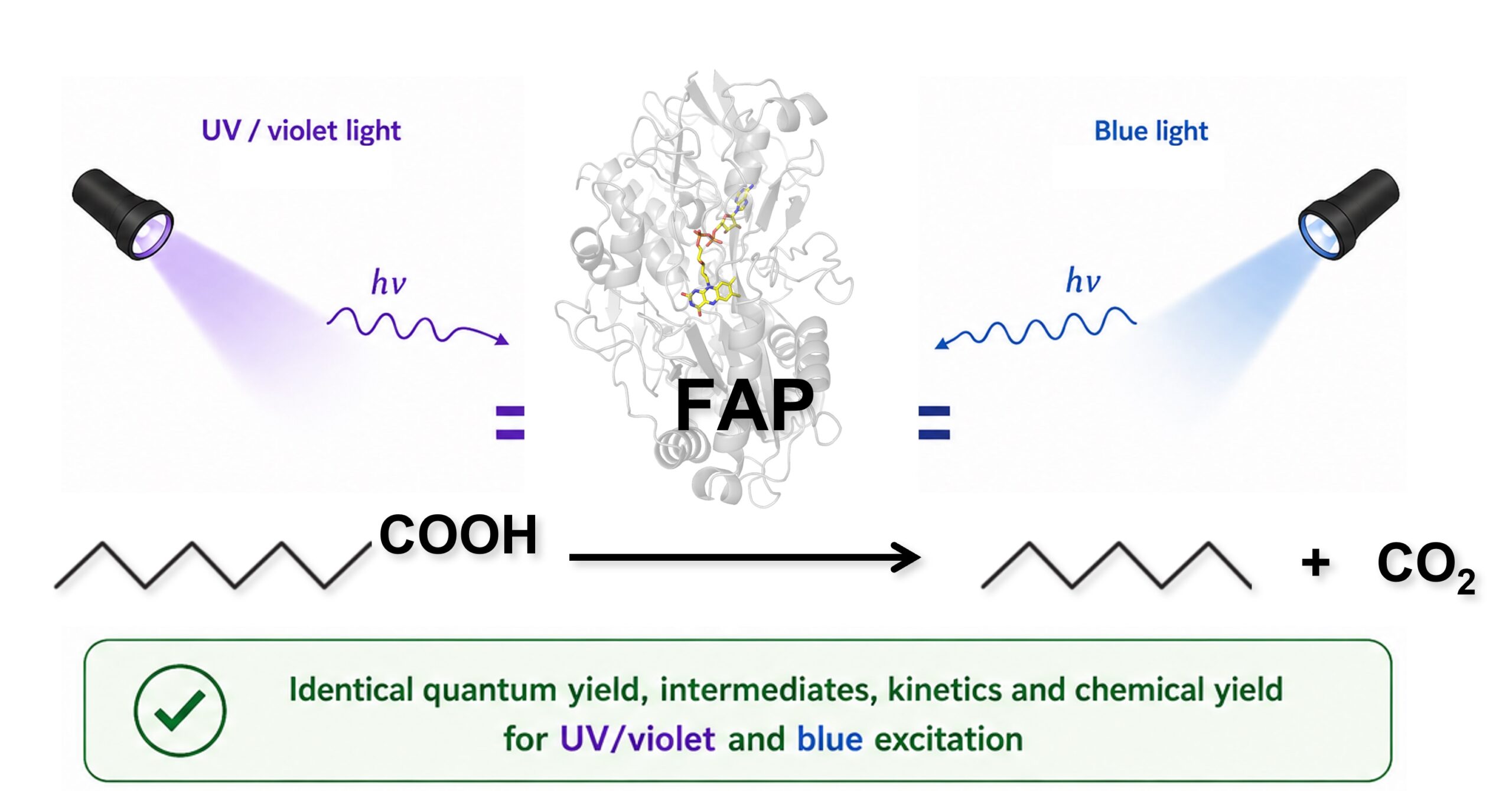
Blue or violet, FAP plays by the same rules: both wavelengths trigger the same photocycle with identical efficiency, intermediates, and products, overturning the proposed model of violet-enhanced activity;
ACS Catalysis

It’s happening at I2BC
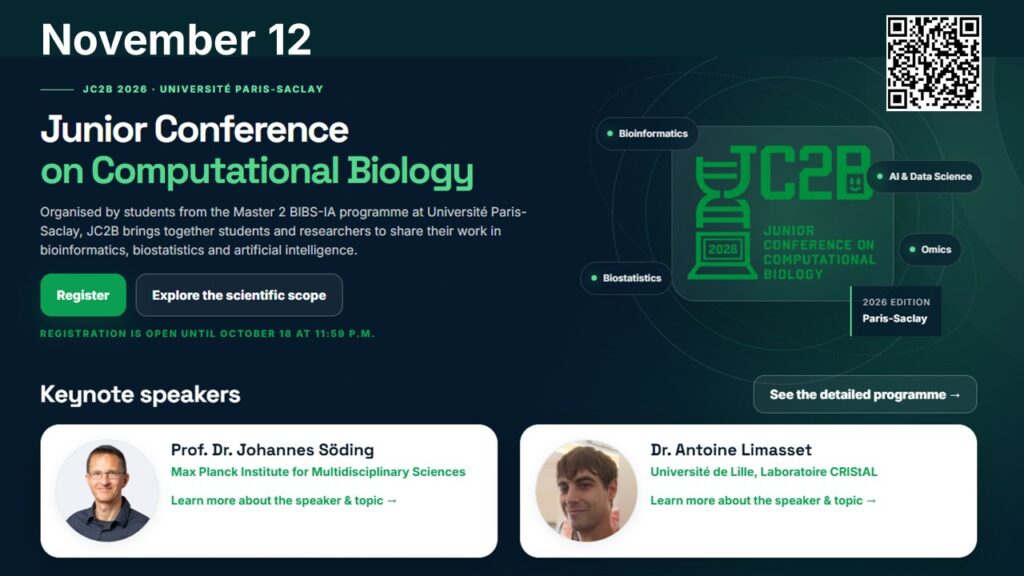
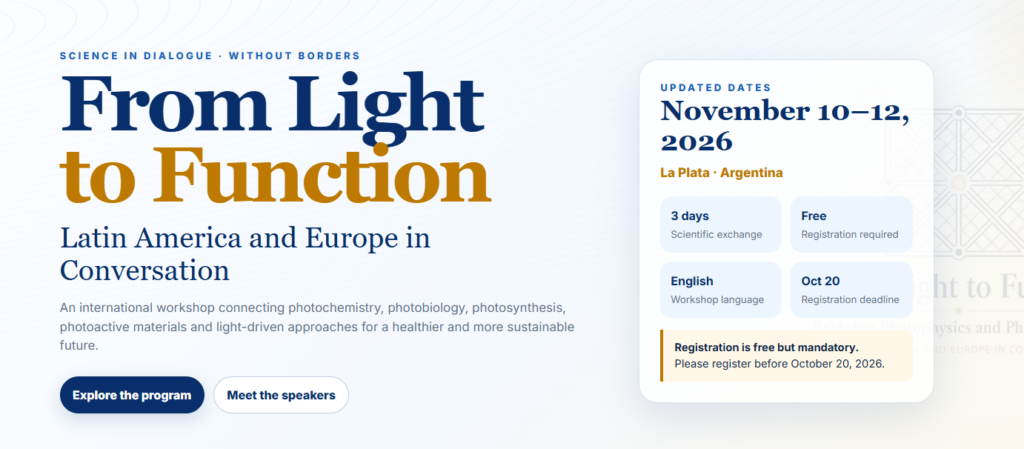
I2BC takes part in
I2BC Key figures
600-700
people
53
research teams
17
core facilites
150
publications
per year
30
PhD defenses
per year